
I have listened to perhaps 20 different recording of a specific work of classical music, each multiple times. It’s been an exercise in trying to understand the composer, the work, the orchestras and conductors, the recording technologies, the changing culture of classic performance, and learning how I myself listen to and respond to music. It’s been a fascinating journey- one I would highly recommend as an experiment to anyone who enjoys music and the experience of learning, and I’d like to share my journey over the last months. This journey has not concluded, nor would I wish it to. However it has been an exploration that I’ve enjoyed sharing in conversations and I invite you, the reader, to share that conversation.
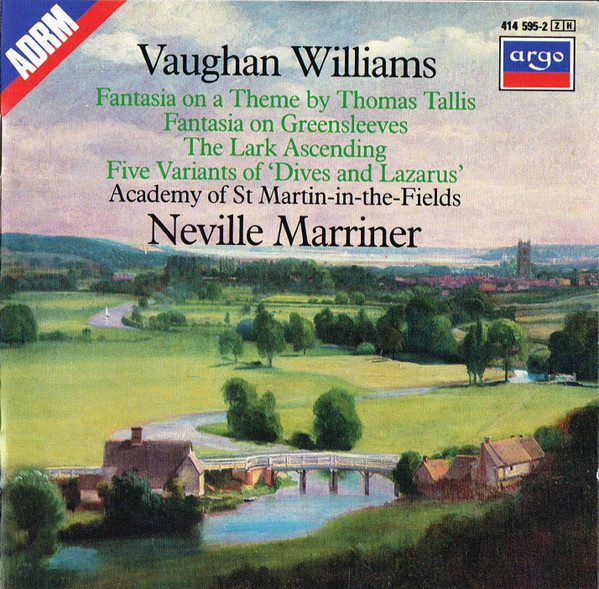
The work I have been listening to is Fantasia on a Theme by Thomas Tallis, composed in 1910 by the English composer and conductor Ralph Vaughan-Williams. Thomas Tallis was another English composer but from a much earlier period- he lived from 1505 to 1585 and composed the theme that inspired Vaughan-Williams in 1597. Tallis worked very much in the sacred music domaion, indeed that’s almost all there was in his day, and we’ll explore that dimension, of faith and church and religiosity in a later post.
I came to this piece in a round about way. I sort of like classical music generally- in my family home growing up we had music on occasionally, but none of us were musically talented. My sister had learned the violin briefly, I’d learned the recorder at school (until it was confiscated after I hit Peter Marfleet over the head with it). We’d sometimes put on music- Holst’s Planets Suite and Mendelsons Fingal’s Cave would get outings, and Gilbert and Sullivan at Xmas.
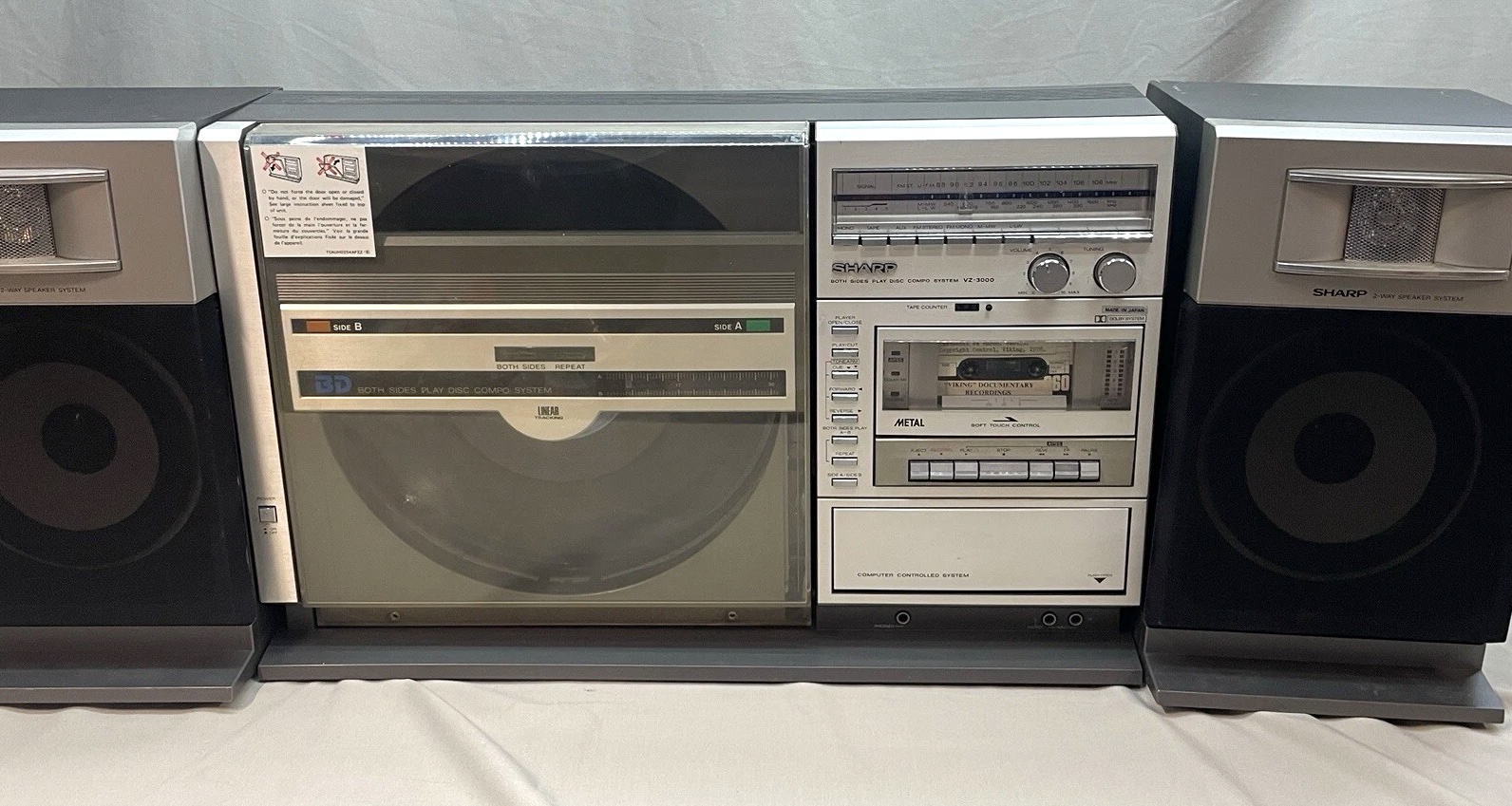
My grandfather had a very exciting record player- it was vertical! And played both sides of the record without needing to be turned over. I remember his musical taste seemed more refined- violin concertos perhaps, but I wasn’t especially curious as to what they were. He had a lovely baby grand piano at his house, but it seemed ornamental, and I don’t think I ever remember hearing it being played. It just sat there in the middle of a parquet floored mid century lounge dining room, dividing an ornate oriental themed and cluttered drawing room area from a modernist dining area that opened through French windows onto a wide patio and expansive lawn, all the way down to a huge willow tree draped across the far end, a drape of green curtain mirroring the chinoiserie fabrics at the other end of the room. I quite liked my grandfathers house. But we really never used those rooms- his study, long and thin, with the record player in a white Formica wall unit flooding the space with sound, and an improbably clean little metal-working lathe at one end, a lovely circular scroll legged gatefold table at the other. Now I really am wallowing, we should move on.
I watched a documentary, a travelogue perhaps 20 years ago, maybe longer. Billy Bragg was one of the participants- perhaps it was in South America. Billy was talking about what he listened to on trips and he talked about Vaughn-Williams, about a sense of Englishness that wasn’t at all jingoistic or proud, but sentimental and welcoming and gentle and reminded him of hills and fields and a sense of belonging. I admired Billy- still do. I know he’s sometimes seen as a cartoonishly brazen socialist and activist, with a presence that’s almost a caricature, but he writes beautifully, and has an engaging intelligence in his words, and a deep seated compassion. I’m a fan. And his proposal for a new constitutional settlement for the house of lords he put forward in the 90’s I think was a genuinely inspirational piece of legislative revolution. I digress. Get used to it.
So from then on I have felt that I really could do well to get into Vaughn Williams. Not that I did much about it. I think I bought a CD featuring a couple of his works– this one, and the Lark Ascending, perhaps 20 years ago. I’d very occasionally put them on, but for a long time it was a thing that I thought ’hmm I should give that a proper listen’.
What I was listening to was a mix- autechre, modest mouse, Philip glass. I did actually go to a Philip Glass prom at the Albert hall. Saw the reformed Penguin Cafe Orchestra at the Brighton Dome. Post punk gigs across Brighton. A few festivals, ‘monsterism’ a return to prog and Led Zep, Art Brut. I think I had, have a pretty eclectic but essentially bourgeois western music taste. I admire Sleaford Mods but honestly not sure I enjoy listening to them. My wife is a far more adventurous and tasteful listener.
With her I did a bit of a shared musical experience on annual basis for a while. Back when burning CDs was a thing we recorded a ‘mix tape’ cd each Christmas of our favorite tracks of the year, and share it with friends and family as Xmas gifts. On reflection it seems a bit presumptuous- “check out our amazing music taste”- but we meant it in a spirit of love and sharing. I don’t recall now what those disks included – some of it would have been silly I’m sure. I’ve a feeling ‘Fan Dance Fanny’ featured at least once. But no Vaughn Williams. Not that I recall.
Not until a glorious summer, 3 or 4 years ago, as we unwound from covid, and long summer walks across the whale back south downs were laced with the laidback joy of kite flying. As I layback in the grass unter the wheeling wings of a kite flown by my daughter, I put on my headphones and listened to ‘The Lark Ascending’ . That piece finally connected with me, finally unfurled it’s simple, exquisite joy of flight and song to me in the piercing blue dome of a summer sussex sky.
That piece became a theme for the summer – for moment of repose, for lifting the spirits to meet the day, for reflection, or even to tune out with pleasant background, I used the Lark. And so did my daughter. For both of us is became an accessible echo of sunlit walks, for a while. It’s still there as a shared touchstone – perhaps less frequently, but still real.
But the theme, the big pice on that CD, remained an enigma. I found it awkward, angular and confusing – glorious and sentimental in its opening but then academic, and alienating, and almost aloof in its complexity and clearly very clever but inaccessible structures. No matter how wonderful I found the first section, the base plucks, the simple theme and the then the extraordinary emotional swell, the rest of the piece then wandered away from me, throwing shapes that made no sense to me.
And so it went for several years. I’d come back to it, and sit and listen in brief awe, then confusion and dissapointment, and probably not even finish it all. Skip along to something morepredicatable, familiar, and the disappointmnent would be with myself, my lack of patience. But I decided this winter that I might be able to engage more, and learn more, and perhaps even learn to see what Billy Bagg and thousands of others have, and really listen to this piece. It struck me that with the services available now it was trivial to find and listen to dozens of different performances and recordings of this work, and that it would be an opportunity to learn how different orchestras and conductors character and interpretation might change the experience, and even how musical fashions may show up, and the how the evolution of recording technology might reveal itself, and most of all how the experience might talk to different parts of me. So I began, and in the next post I’ll introduce the first few recordings I explored, and how the journey got going.
–